Proudly serving Phoenix, Mesa, Glendale, Scottsdale, Tempe, Chandler & surrounding areasCall or Text 24/7: 602-449-8143
Aerial view of residential neighborhoods, desert washes, and low-rise buildings in Phoenix, AZ.

Fire Alarm System Installation & Life-Safety Support in Avondale, AZ

Phoenix Fire Alarm Systems provides fire alarm system installation, commercial fire alarm systems, and inspection and testing for homes and businesses in Avondale. We also handle monitoring, repair, maintenance, system design, replacements and upgrades, panel service, and voice evacuation or mass notification systems. Each recommendation begins with the building's occupancy classification, square footage, ceiling heights, and HVAC layout. Our work covers properties from Downtown Avondale and Van Buren Street to the I-10 corridor, Phoenix Raceway, Estrella Mountain, and the Gila River corridor.

Summer temperatures above 110 degrees can stress wiring insulation and backup batteries, while monsoon dust can enter detector chambers and contribute to false alarms. New warehouses, retail centers, and subdivisions also need permit-ready detection before final acceptance and a certificate of occupancy. Our NICET-certified technicians design to NFPA 72 and NFPA 101, use UL 864-listed control equipment, and coordinate plan review through the City of Avondale. Contact us for a property-specific evaluation instead of a one-size-fits-all equipment list.

Serving residential, retail, school, healthcare, industrial, logistics, public, and mixed-use properties across Avondale and the western Phoenix metro.

★ ★ ★ ★ ★4.9/5 Average Rating - 20+ Years of Experience - Avondale Fire Alarm Systems Specialists - Residential & Commercial
Fire Alarm Services

Fire Alarm Services in Avondale, AZ

Avondale grew from 35,883 residents in 2000 to 89,334 by the 2020 census, adding homes and commercial space that need planned detection, notification, and ongoing system care. Choose the service that matches your property, or review our fire alarm work in Mesa, AZ .

Fire Alarm System Installation

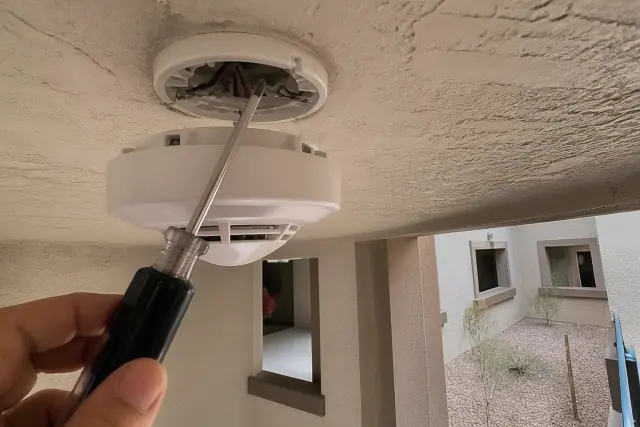
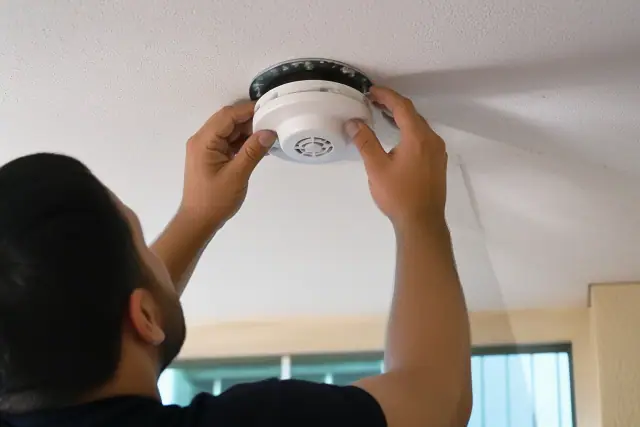
Technician installing a smoke detector on a commercial ceiling in Avondale, AZ.

We plan device placement and panel capacity around the property rather than a preset package. Residential installations typically run $2,000 to $5,000 depending on home size and device count, with permitting, NFPA 72 inspection, and final documentation built into the project.

Explore Service

Commercial Fire Alarm Systems

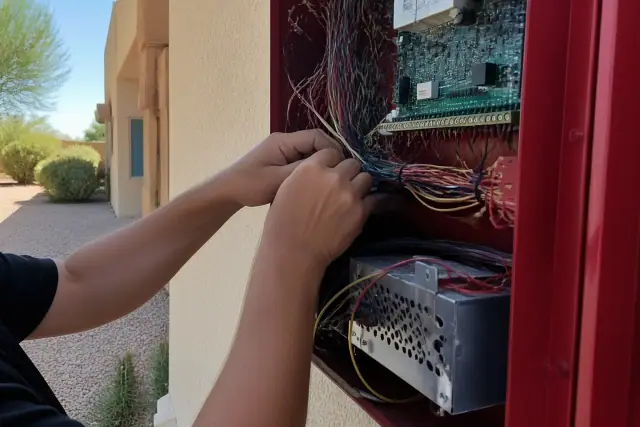
Technician wiring a commercial fire alarm control panel in an Avondale, AZ building.

We design single-panel retail systems and multi-building industrial systems around occupancy classification and building scale. Commercial fire alarm projects range from roughly $15,000 to $200,000, with rough-in and final inspection coordinated around construction and certificate-of-occupancy schedules.

Explore Service

Fire Alarm Inspection & Testing

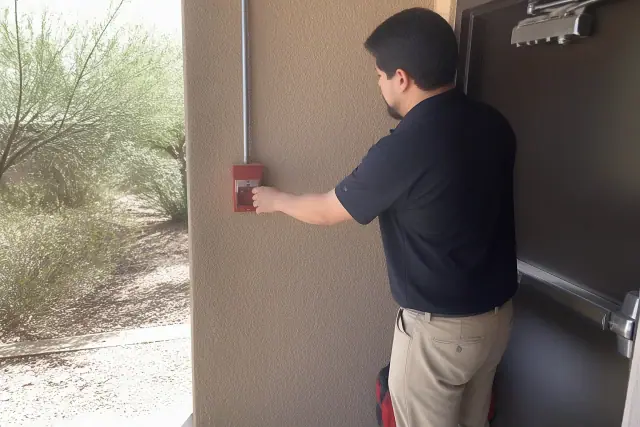
Technician inspecting a red fire alarm pull station on a stucco wall at a job site in Avondale, AZ.

Most systems need annual full-system testing, while certain devices may require semi-annual or quarterly checks depending on occupancy. We test initiating devices, notification appliances, batteries, and supervision circuits, then provide a written report for fire marshal and insurance records.

Explore Service

Fire Alarm Monitoring

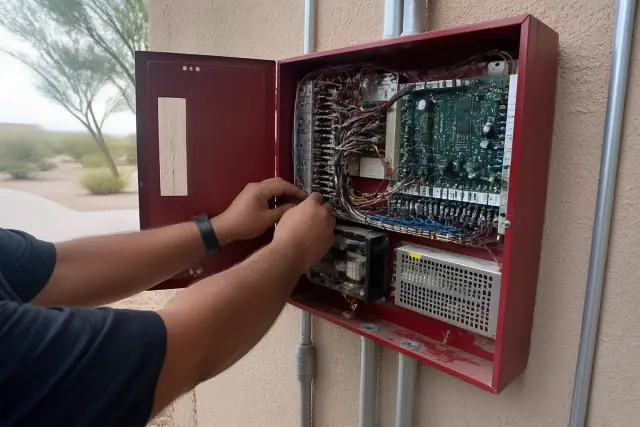
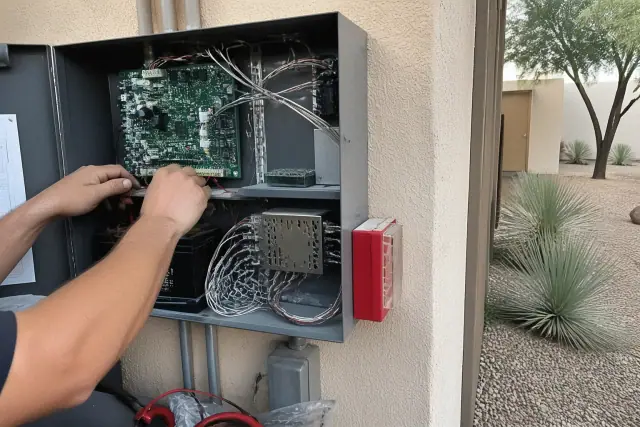
Technician wiring a fire alarm control panel cabinet on a stucco wall in Avondale, AZ.

We connect compatible panels to a UL-listed central station for fire, supervisory, and trouble signal reporting. That connection supports direct Avondale Fire Department dispatch whether an alarm arrives during business hours or at 3 a.m., while wiring faults and low-battery conditions are flagged for follow-up.

Fire Alarm Repair & Troubleshooting

Technician hands repairing wiring inside a fire alarm control panel at a job site in Avondale, AZ.

Ghost alarms, dead zones, and panel trouble lights can come from monsoon dust, corroded wiring, aging batteries, or an end-of-life device. We trace the fault circuit by circuit and service equipment from major panel manufacturers instead of replacing parts by guesswork.

Fire Alarm Maintenance

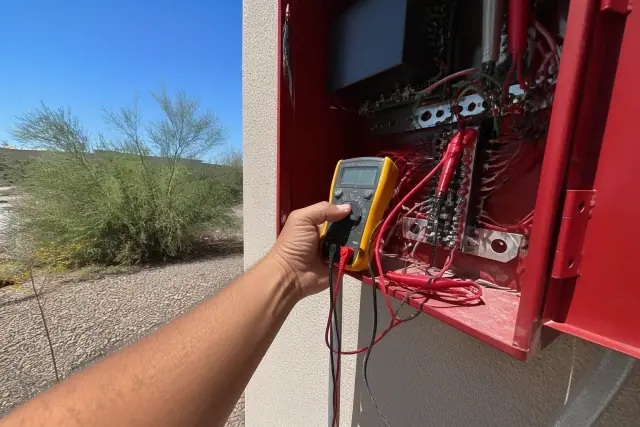
Technician using a multimeter to test a fire alarm system terminal block during maintenance in Avondale, AZ.

Preventative visits catch weak batteries and failing sensors before they cause nuisance alarms or missed activation. Industry data shows close to a 400 percent return on preventative fire-system maintenance and a 12 to 18 percent reduction in overall maintenance costs across system life.

Fire Alarm System Design

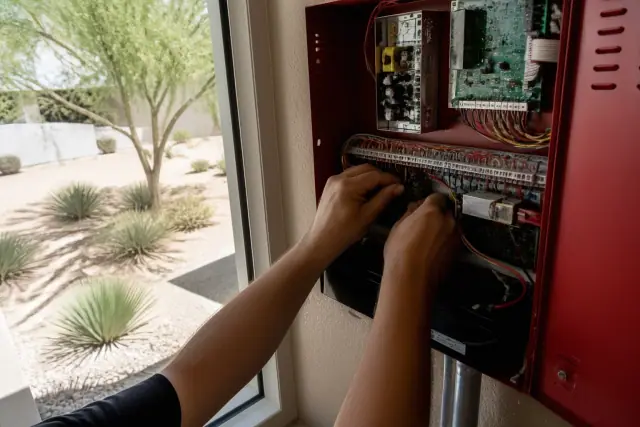
Technician wiring a fire alarm control panel inside a building in Avondale, AZ with desert landscaping visible outside.

Our design package includes fire alarm shop drawings, battery calculations, and voltage-drop calculations based on occupancy, device layout, and notification loads. Plans are prepared to NFPA 72 requirements, with UL 864 panel criteria accounted for before City of Avondale plan review.

Fire Alarm System Replacement & Upgrades

Technician installing a smoke detector on a commercial ceiling in Avondale, AZ.

Commercial panels typically serve for 10 to 15 years before parts availability or code changes make replacement more practical. We compare targeted upgrades with full replacement and can evaluate addressable technology, added strobes, voice capability, or coverage for remodeled areas.

Fire Alarm Panel Installation & Service

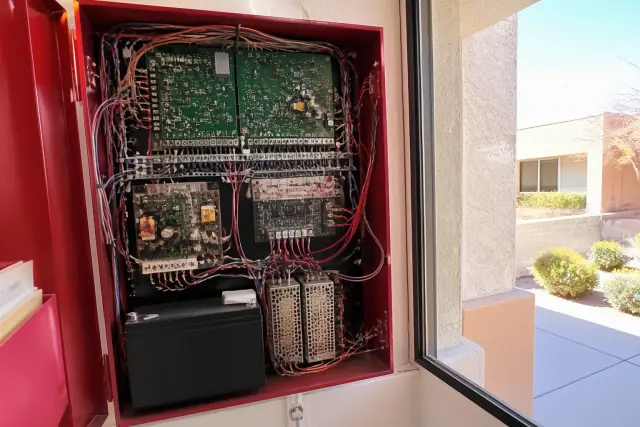
Interior of a wall-mounted fire alarm control panel with multicolored wiring in an Avondale, AZ building.

We size UL 864-listed control panels for the connected device count and current draw, program monitoring communication, and label zones for arriving responders. Panel service also includes supervision checks and review of battery capacity where an existing system shows trouble conditions.

Voice Evacuation & Mass Notification Systems

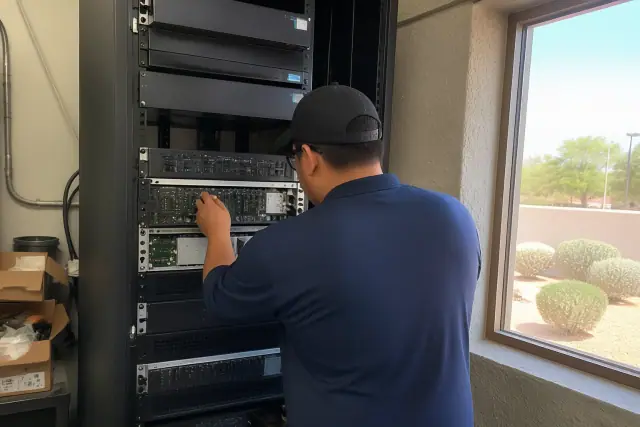
Technician inspecting voice evacuation and mass notification system amplifier cards in Avondale, AZ.

Voice evacuation can deliver live or prerecorded instructions in schools, healthcare facilities, and multi-story commercial buildings where a standard horn-strobe approach may not fit the occupancy. Mass notification can extend the infrastructure to severe weather, lockdowns, and other emergencies without requiring two separate systems.

System Planning

How to Choose Fire Alarm Services in Avondale

The right scope depends on how the building is used, what infrastructure already exists, and which detection and notification functions the occupancy requires. These six factors help separate a targeted repair or upgrade from a complete system design and installation.

Occupancy and Building Use

Homes, retail spaces, warehouses, schools, healthcare facilities, and mixed-use buildings carry different device, notification, and evacuation needs. Start with the occupancy classification before choosing equipment.

Device Coverage and Layout

Square footage, ceiling height, HVAC layout, travel distance, strobe candela, and horn sound levels all shape coverage. A design should account for these conditions before devices are placed.

New Installation or Retrofit

New construction allows rough-in to follow drywall and ceiling schedules, while an occupied retrofit must work around existing wiring and business activity. The site walk reveals which approach fits the property.

Conventional or Addressable

Conventional panels report a general zone, while addressable technology identifies the individual device location. A remodel, expansion, or recurring fault may make device-level reporting especially useful.

Monitoring and Notification

Panel monitoring tracks alarm, supervisory, and trouble signals. Horn-strobes, voice evacuation, and mass notification serve different communication needs, so the notification method should match the occupancy.

Lifecycle and Documentation

Panel age, parts availability, testing history, drawings, and deficiency reports help determine whether to maintain, repair, upgrade, or replace. Complete records also support inspections and insurance audits.

Avondale Fire Alarm Issues

Common Fire Alarm Problems for Properties

Avondale's heat, monsoon dust, aging buildings, and fast-moving construction can expose weaknesses in detectors, batteries, wiring, and coverage. A careful diagnosis distinguishes an isolated device fault from a panel, circuit, design, or maintenance issue.

Request System Evaluation

Monsoon Dust False Alarms

Dust entering smoke-detector chambers or HVAC intakes can cause nuisance alarms. Device condition, environmental rating, and placement should be checked before assuming the panel is at fault.

Heat-Stressed Backup Batteries

Batteries and wiring insulation in unconditioned mechanical rooms or attics face added stress during Avondale summers. Voltage readings and battery calculations can reveal inadequate or aging backup power.

Persistent Panel Trouble Lights

A trouble indicator may point to a wiring fault, disconnected device, communication issue, or weak battery. Circuit-by-circuit troubleshooting identifies the supervised condition behind the light.

Corroded or Aging Wiring

Corrosion, loose connections, and deteriorated conductors can interrupt device communication or create intermittent faults. Testing should isolate the affected circuit before repairs are planned.

Coverage Gaps After Remodeling

Added rooms, changed walls, taller storage, or revised HVAC layouts can leave the original detection and notification design incomplete. A new layout review can identify dead zones and missing appliances.

End-of-Life Devices

Smoke detectors, batteries, and control equipment become less dependable as they age or lose parts support. Inspection results help decide whether a component repair, targeted upgrade, or full replacement is appropriate.

Why Choose Us

Why Choose Phoenix Fire Alarm Systems in Avondale?

Fire alarm work requires more than pulling wire. Our qualifications combine dedicated fire-alarm experience, technical credentials, and coordination with the local plan-review and inspection process.

NICET-Certified Technicians

Our technicians hold NICET certification in fire alarm systems and apply manufacturer-specific programming knowledge to design, installation, testing, and troubleshooting.

Arizona Licensed Contractor

Phoenix Fire Alarm Systems is licensed through the Arizona Registrar of Contractors for fire alarm work in Maricopa County, keeping the installation scope with a qualified specialist.

Local Code Coordination

We prepare projects around NFPA 72, NFPA 101, the International Fire Code as adopted locally, and City of Avondale plan review and final acceptance requirements.

Planned Installation

Our Fire Alarm Installation Process in Avondale

Each project moves from building evaluation to documented acceptance testing. The sequence keeps design decisions, permit review, installation, monitoring setup, and closeout records connected.

01.

Site Walk and Assessment

We document occupancy type, square footage, ceilings, HVAC layout, existing infrastructure, and the property's detection and notification needs.

02.

Drawings and Calculations

We prepare shop drawings, device layouts, battery calculations, and voltage-drop calculations before equipment is ordered.

03.

Plan Review and Permits

The design package goes to the City of Avondale for plan review, with unusual layouts or mixed-use classifications coordinated with the fire marshal's office.

04.

Coordinated Installation

Rough-in follows drywall and ceiling work on new construction, while occupied retrofits can be scheduled around property operations.

05.

Functional and Acceptance Testing

We test devices, notification appliances, panel supervision, batteries, and the monitoring connection before walking the inspector through final acceptance.

06.

Closeout and Ongoing Support

After acceptance, the property receives as-built drawings, battery and voltage-drop calculations, and the final testing report for future service and audits.

Property Applications

Fire Alarm Solutions for Avondale Properties & Businesses

Case Study 1: Residential retrofits: Older homes near Downtown Avondale can be evaluated for detector count, panel condition, wiring, and notification coverage before devices are added or replaced.

Case Study 2: Commercial build-outs: Retail and warehouse projects along I-10 can move from occupancy-based shop drawings through coordinated rough-in, testing, and final acceptance documentation.

Case Study 3: System modernization: Remodeled properties with aging panels can be assessed for addressable reporting, additional strobes, voice evacuation, or a complete replacement based on condition and code needs.

Plan Your Project

Schedule an Avondale
Fire Alarm
Consultation

Request an evaluation for installation, inspection, monitoring, repair, maintenance, design, or system upgrades in Avondale. Regional service also includes Goodyear, Litchfield Park, Tolleson, Buckeye, Glendale, and southwest Phoenix.

Avondale Fire Alarm Help

FAQs About Fire Alarm Systems in Avondale, AZ

These answers cover common questions about project scope, costs, testing, monitoring, system life, local review, and fire alarm technology in Avondale.

Call a Fire Alarm Specialist

No. A licensed electrician may be able to run conduit and pull wire, but fire alarm design, device placement, and panel programming require NFPA 72 knowledge and manufacturer-specific programming skills beyond general electrical work.

Residential installation typically runs $2,000 to $5,000 depending on home size and device count. The final scope also depends on panel needs, wiring conditions, permitting, testing, and documentation.

Commercial systems range from roughly $15,000 to $200,000 based on building scale and system complexity. Occupancy classification, device count, notification requirements, monitoring, and construction coordination all affect the project.

Smoke detector installation alone averages $110 to $400 per unit installed. When devices are bundled into a larger project, most Avondale homeowners land between $70 and $150 per device.

NFPA 72 generally requires annual full-system testing. Certain devices may need semi-annual or quarterly checks depending on their type and the property's occupancy.

Testing covers initiating devices, notification appliances, batteries, and panel supervision circuits. The results are documented device by device, including deficiencies and battery readings for fire marshal or insurance records.

Monsoon dust in detector chambers or HVAC intakes is one possible cause in Avondale. Corroded wiring, aging batteries, end-of-life devices, and circuit faults can also create ghost alarms or recurring trouble conditions.

Commercial panels typically last 10 to 15 years. Parts availability, code changes, building remodels, recurring faults, and the benefits of addressable technology help determine whether repair, upgrade, or replacement makes more sense.

Often, an older conventional system can be upgraded without rebuilding every part of the installation. Addressable technology provides individual device locations instead of a general zone and can support added strobes, voice capability, or coverage for remodeled spaces.

The design package includes fire alarm shop drawings, battery calculations, and voltage-drop calculations. Device placement, notification loads, occupancy, strobe candela, horn sound levels, and UL 864 panel requirements are addressed before plan review.

Fire alarm installations are pulled to permit through the City of Avondale. Plans go through the Building Safety Division, and unusual layouts, high occupancies, or mixed-use classifications may require coordination with the fire marshal's office before installation and final acceptance.

A monitored connection sends fire alarm, supervisory, and trouble signals to a UL-listed central station. The station dispatches the Avondale Fire Department for an alarm, while wiring faults, disconnected devices, and low-battery conditions can be flagged for service.

Voice evacuation delivers live or prerecorded instructions during a fire instead of relying only on a generic alarm tone. Mass notification extends communication to severe weather, lockdowns, and other emergencies and can be integrated with fire alarm infrastructure.

Maintenance checks sensors, batteries, panel conditions, supervision, and other components before deficiencies become nuisance alarms or missed activation. Visits can be scheduled around occupancy needs so testing does not unnecessarily interrupt business operations.

NFPA national data shows that the death rate per 1,000 reported home fires dropped 60 percent between 2018 and 2022 when smoke alarms operated correctly. That makes functional testing, maintenance, and prompt attention to trouble conditions important even when the system appears quiet.